
By Jamie Baum, The NetSys Group
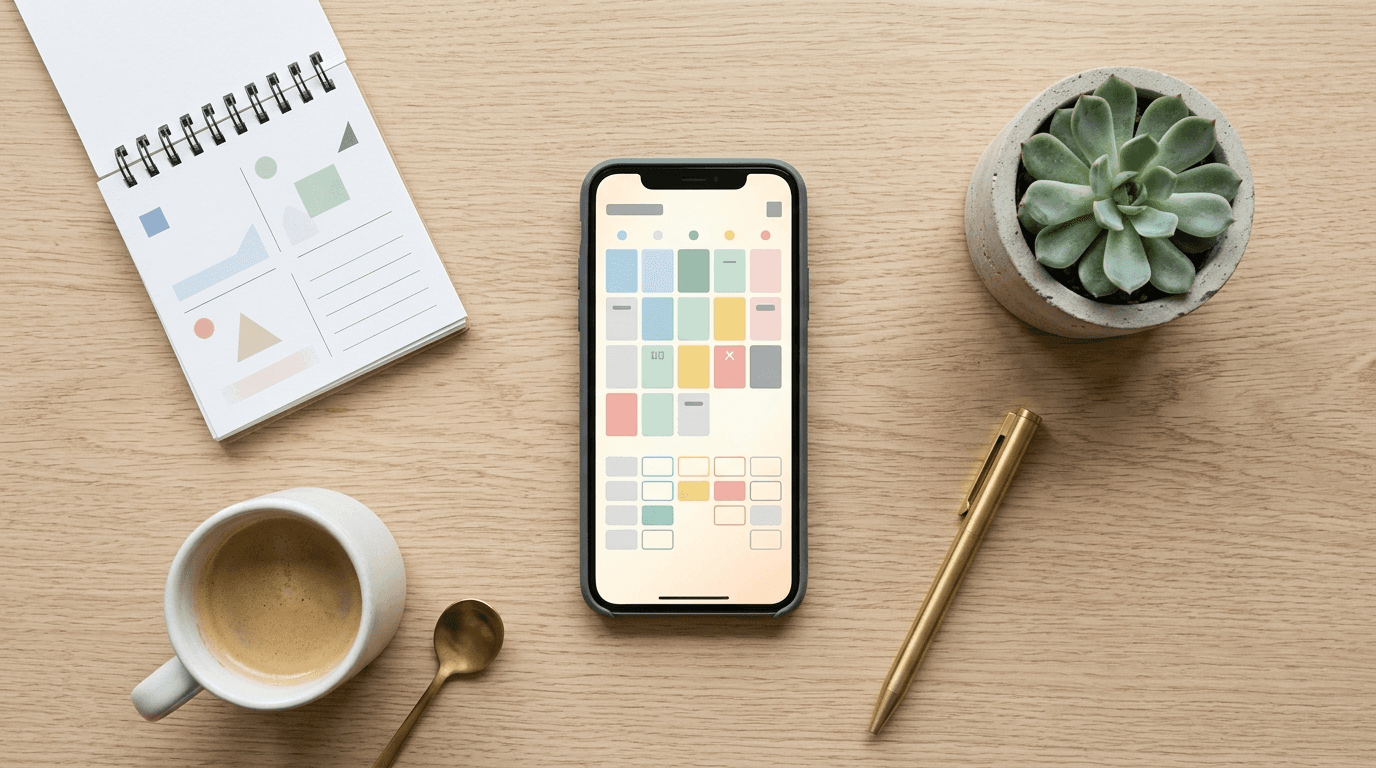
AI appointment scheduling — sometimes called AI appointment setting — uses software to book, confirm, reschedule, and remind customers on its own, without a staff member working the phone or the inbox. The better tools go further than a shared calendar: they answer questions, offer open times, handle time zones, and follow up when someone forgets. The payoff for a small business is fewer no-shows and hours of admin time handed back to your team every week.
That admin time is not trivial. No-show rates average around 23% across service industries, and each missed appointment quietly costs you the slot, the prep, and the follow-up, according to industry no-show data compiled in 2026. If you run a practice, a shop, or a services firm that lives on booked time, that is real revenue walking out the door.
What is AI appointment scheduling?
AI appointment scheduling is software that manages bookings automatically. It reads your real availability, offers open slots to customers by web, text, or voice, confirms the booking, and sends reminders. More advanced systems use a chat or voice agent that can answer basic questions and rebook a cancellation in the same conversation, so nobody waits for a callback.
The plain version is a smart booking page tied to your calendar. The advanced version is closer to a tireless receptionist that never puts anyone on hold and works at 11 p.m. on a Sunday. Most small businesses start at the first and grow into the second.
How does it actually cut no-shows?
Most no-shows are not people flaking. They forgot, or life got in the way and rescheduling felt like a hassle. AI scheduling attacks both problems. It sends automatic reminders by text and email on a schedule you set, and it makes moving an appointment a two-tap job instead of a phone call during business hours.
When rescheduling is easy, a customer who can't make Tuesday moves to Thursday instead of vanishing. When reminders are automatic, the "I completely forgot" slot gets filled. Neither depends on a staff member remembering to chase anyone, which is where manual systems quietly fall apart on a busy week.
What does AI appointment scheduling cost?
For a simple booking tool, most small businesses land in the range of roughly $10 to $50 per user each month, and some bare-bones versions are free. Add an AI voice or chat agent that talks to customers and answers questions, and you are usually looking at a higher monthly fee or per-minute pricing on top.
The number that matters more is what it saves. If automated reminders recover even a handful of otherwise-missed appointments a month, the tool pays for itself and then some. The math gets compelling fast for any business where a booked hour is worth real money.
Where does it fit best?
Any business that runs on appointments is a candidate: medical and dental practices, law firms, accounting and financial offices, salons and spas, home services, and consultants. Practices with high no-show rates and front-desk staff drowning in phone tag tend to see the fastest return.
It also pairs naturally with other automation. Many of our clients combine scheduling with AI phone answering so an after-hours caller can book without reaching voicemail, and with AI chatbots that handle the same booking flow on the website. If your team spends time in meetings, AI meeting assistants cover the note-taking side of the same day.
What should you watch out for?
Three things separate a smooth rollout from a frustrating one. First, integration: the tool has to sync cleanly with the calendar and records system you already use, or you will end up with double bookings. Second, the human handoff: a good system knows when to route a complicated or upset caller to a real person instead of looping them. Third, data handling: if you are in healthcare, legal, or finance, the platform needs to meet your privacy and compliance obligations, which rules out some consumer-grade apps.
Getting those three right is mostly a setup question, and it is the part we help clients think through as part of our AI services so the tool fits your workflow instead of fighting it.
Frequently asked questions
Will AI scheduling replace my front-desk staff?
For most small businesses, no. It removes the repetitive booking and reminder work so your staff can focus on customers who are actually in front of them. Think of it as taking phone tag off their plate, not replacing the person who greets people and handles the judgment calls a machine should not make.
Does it work with the calendar I already use?
The good ones do. Most integrate with Microsoft 365 and Google Workspace calendars and with common industry booking or practice-management systems. Confirming that integration before you buy is the single most important step, since a tool that does not sync with your real availability creates more problems than it solves.
Can customers still reach a human?
Yes, and they should be able to easily. A well-configured system offers a clear path to a person for anything unusual, and it hands off with context so the customer does not repeat themselves. The goal is to automate the routine 80% and route the rest, not to trap people in a menu.
Is it safe for a medical, legal, or financial practice?
It can be, but the platform has to meet your compliance requirements, such as HIPAA for healthcare. Consumer-grade scheduling apps often do not. Choosing a tool built for regulated industries, and configuring it correctly, is what keeps automated convenience from becoming a compliance problem.
How long does it take to set up?
A basic booking page can be live in a day. A fuller rollout with reminders, integrations, and an AI agent that answers questions usually takes a few weeks, mostly spent connecting it to your existing systems and tuning the messages. The setup effort is front-loaded; the time savings compound every week after.
Not sure where automation would pay off first in your business? The NetSys Group offers a complimentary consultation to map the routine work that is worth handing to software.
By Jamie Baum for The NetSys Group, which has delivered managed IT, cybersecurity, and cloud services since 1998. Our engineers hold degrees in electrical and computer engineering and are certified Microsoft and Cisco instructors, serving businesses across NY, NJ, CT, PA, and Southwest Florida.
Turn insight into action.
Take a free cybersecurity or AI readiness assessment, or book a call with a NetSys engineer — no obligation, no runaround.